The Angkor Wat forest is usually loud in the early morning—birds calling across the ruins, leaves shifting as monkeys move from tree to tree. But that day, the forest felt unusually still.
I noticed the baby before I understood what I was seeing. Curled near the roots of an old fig tree, the infant monkey barely moved. Its eyes followed the light above but its body stayed heavy against the ground, as if standing required more strength than it had left.
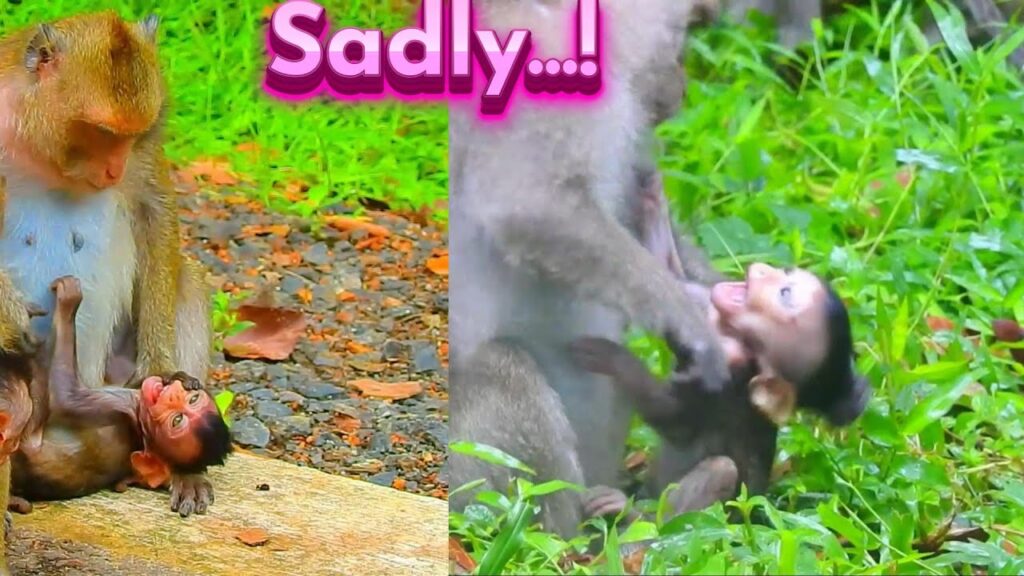
Adult monkeys passed nearby, glancing, pausing, then moving on. In the wild, survival is a fast decision. If you cannot keep up, the forest does not wait.
I knelt several feet away. The baby’s breathing was shallow but steady. There were no visible injuries—just exhaustion, hunger, and the unmistakable look of a life running low on reserves. The kind of look that makes your chest tighten because you know how little time can mean everything.
A local caretaker arrived quietly. No rush. No panic. Just presence. He watched the baby for a long moment, reading its posture, its eyes, the subtle signs people miss when they move too fast. Then he offered water, carefully, patiently, letting the baby choose.
That choice mattered.
Little by little, the baby responded. Fingers twitched. A small sound escaped its throat—not a cry, just a reminder that it was still there. Still trying.
We stayed longer than planned. No one spoke much. The forest resumed its rhythm around us, as if giving space. When the baby finally shifted closer to warmth, closer to help, it felt like witnessing something private—something not meant for applause.
This wasn’t a rescue story. It was a moment story. A reminder that survival sometimes hinges on someone noticing, stopping, and deciding that a small life is worth time.
In the Angkor Wat forest, history rises in stone. But life, fragile and fleeting, still writes its own quiet chapters at the roots.